Herbal Consultation
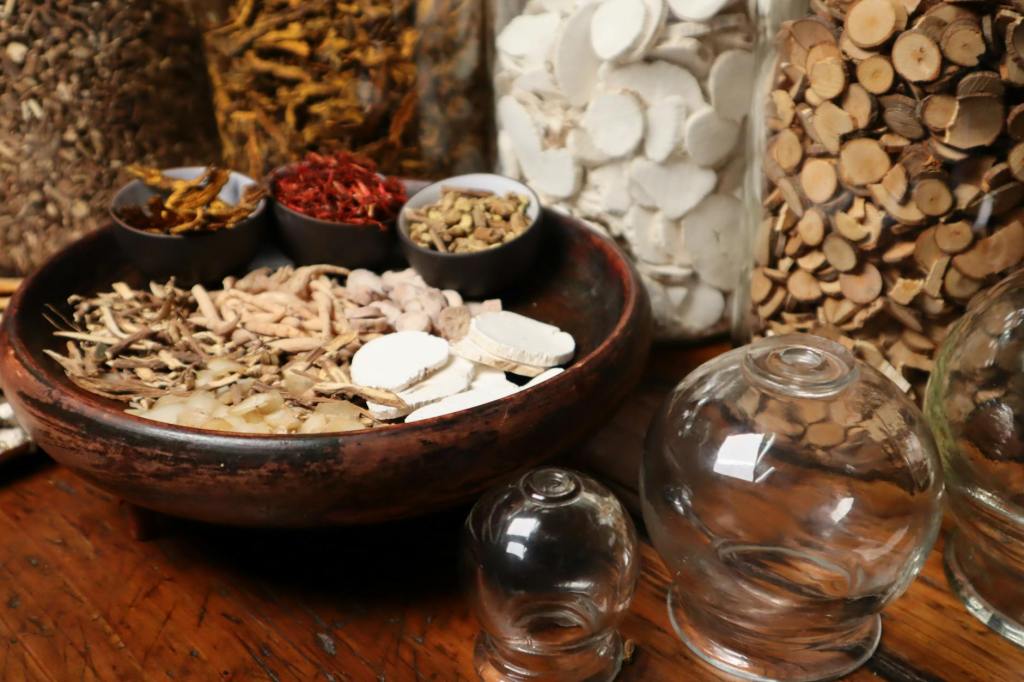
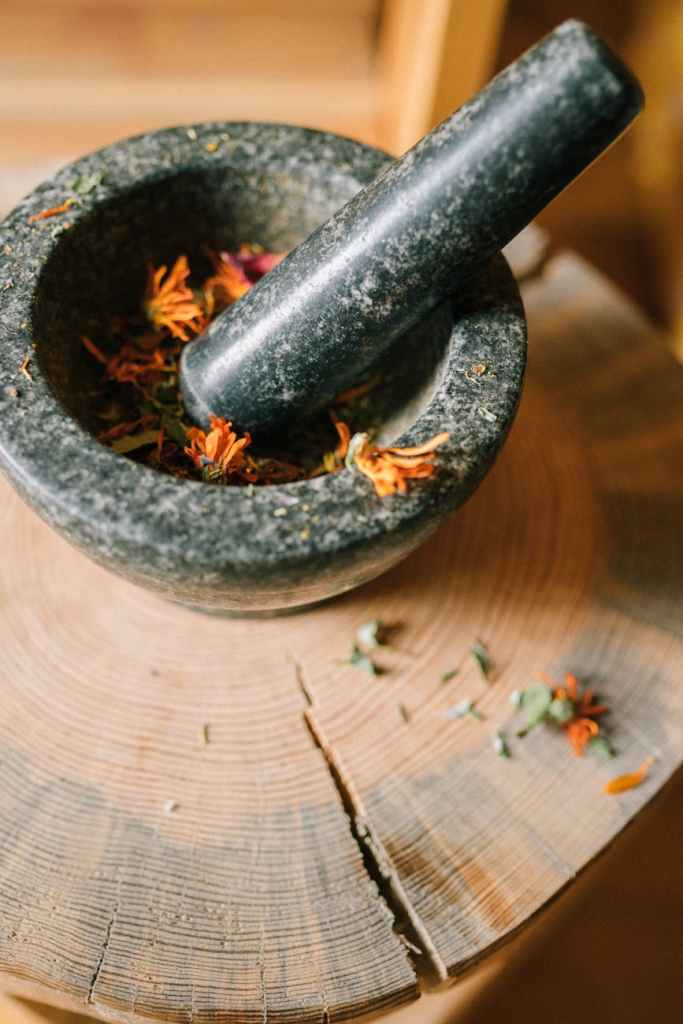
Made from roots, seeds, leaves, flowers, minerals, barks, resins, and other natural materials, herbal therapeutics can be used alone or alongside acupuncture. Herbalism has been practiced for tens of thousands of years. Depending on the condition and the patient preference, herbs can be administered internally through methods such as tincture, capsule, decoction, granule, and tea pill, and externally through oil, salve, liniment, poultice and plaster.
Tuīná Massage
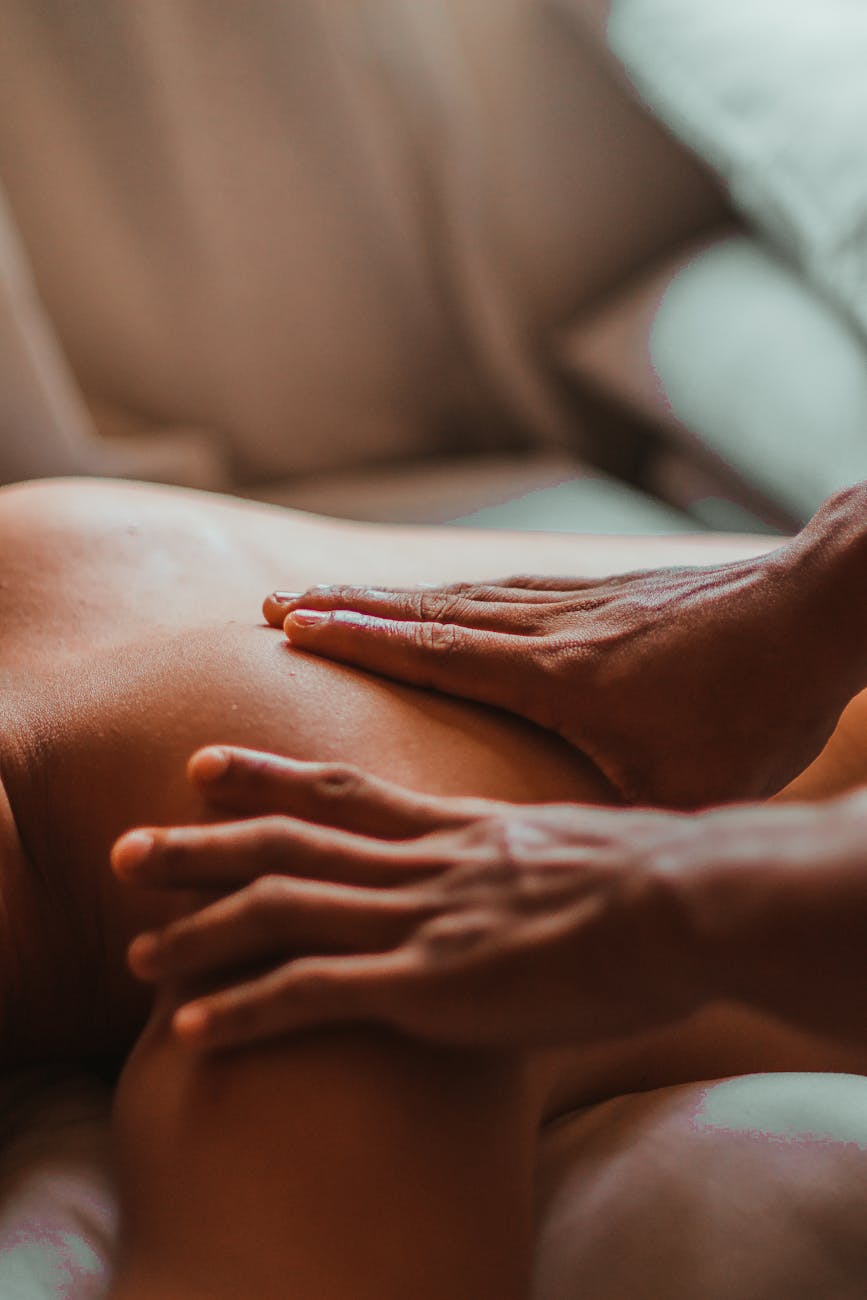
One of the oldest forms of bodywork developed in China, tuīná 推拿 medical massage uses techniques that help to balance the body and bring it into harmony. Tuī translates to “push” and ná can refer to “lift and squeeze”. The massage uses techniques such as rolling, kneading, pressing, rubbing and brushing to help relieve pain, promote relaxation and promote health.
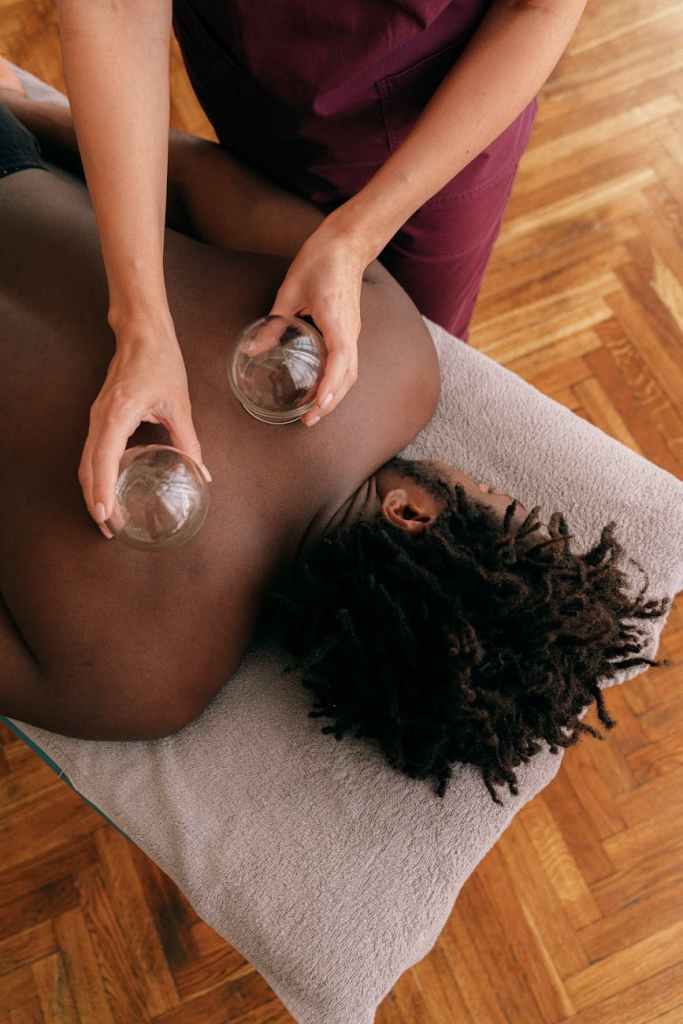
Fire Cupping
Cupping therapy uses fire and glass cups to create decompression on the muscles and fascia of the body to help improve blood flow and relieve pain. Many traditional forms of cupping exist throughout the world, including cupping with glass, horns and bamboo. When oil is used on the skin, “running cups” can be used when they are slid back and forth on the body.
Acupuncture
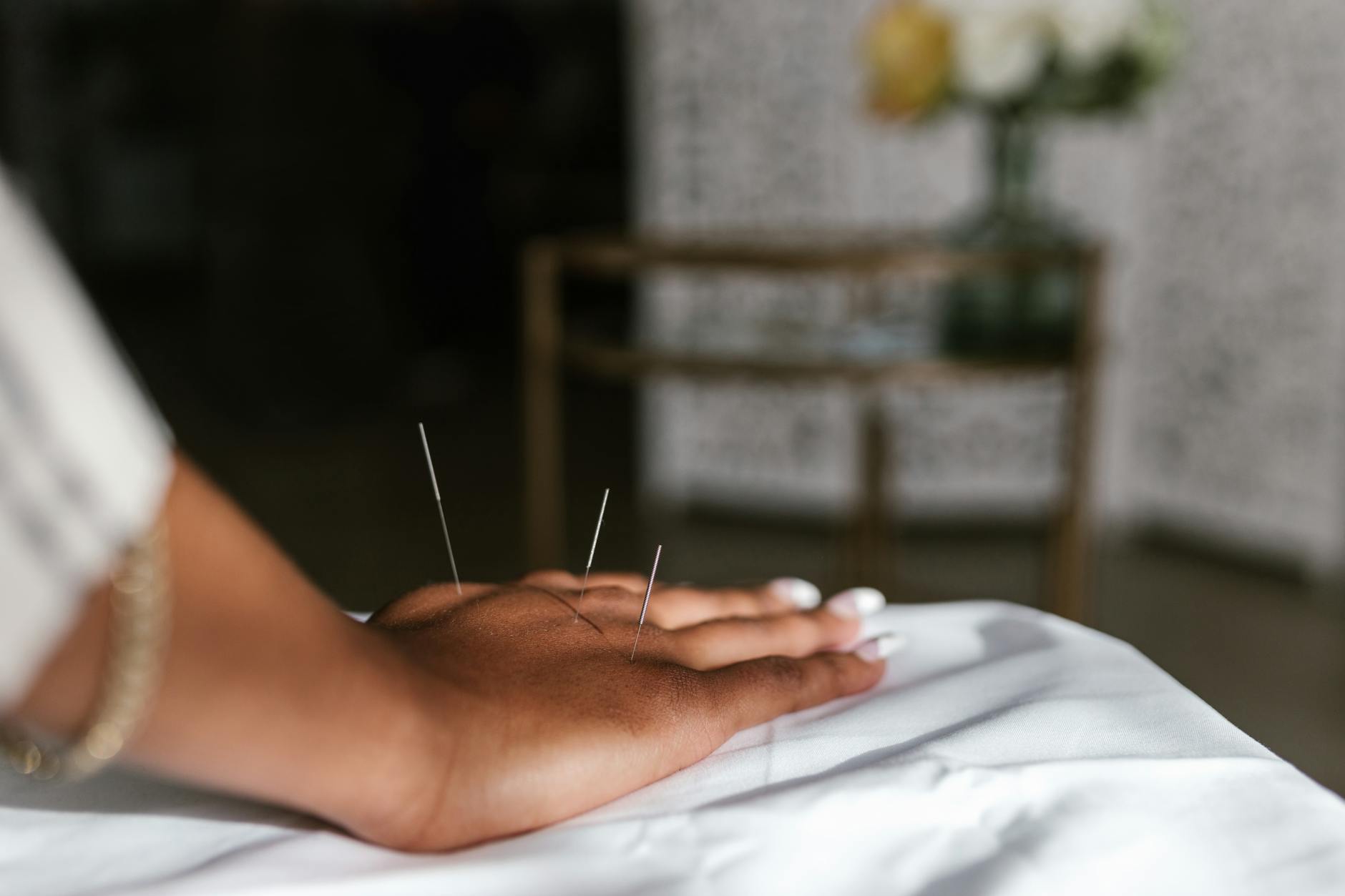
Acupuncture utilizes thin needles inserted along meridians of the body to rebalance the Qi, move blood and promote healing. Acupuncture can be used with electrostimulation (e-stim), moxa, and manual stimulation. While it is commonly used to relieve pain, reduce inflammation, improve stress, and help with insomnia, acupuncture can also be used for complex issues such as allergies, fibromyalgia, migraine, and depression. Click here for a detailed list of disorders that acupuncture can help treat.
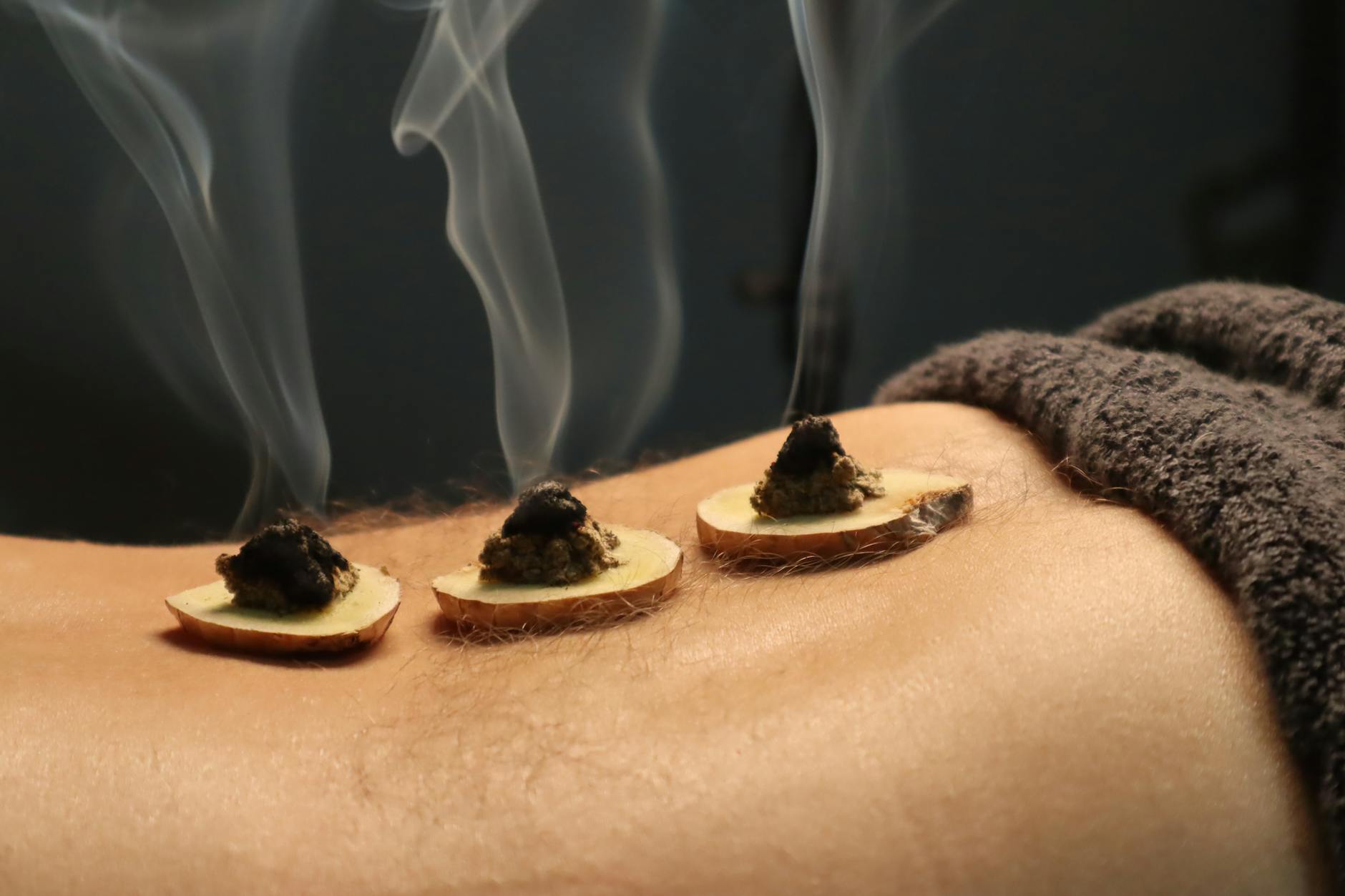
Moxibustion
Moxa is made from the dried leaves of mugwort (Artemisia argyi). When it is lit with fire, the smoke from the leaves is used on meridians and acupuncture points to warm the body, expel cold and damp, induce the flow of Qi, prevent disease in the body, stop bleeding and improve asthma, diarrhea, vomiting, abdominal pain and gynecological disorders. Known as àiyè 艾叶, mugwort can be found in Chinese medicinal formulas for its warming and pain-relieving functions.
 Burlwood Acupuncture